Lake Ohrid Shore Byzantine Ruins12+ Historic Sites
Pogradec is a tranquil lakeside town on the southern shore of Lake Ohrid, one of Europe's oldest and deepest lakes, shared between Albania and North Macedonia. The lake region is a UNESCO World Heritage Site on the Macedonian side, and the Albanian shore offers remarkable ancient sites, Early Christian mosaics, Byzantine fortresses, and beautiful natural landscapes that remain far less visited than they deserve.
A beautiful lakeside park containing the ruins of an ancient Byzantine monastery and church complex, set among natural springs and crystal-clear pools fed by Lake Ohrid. The ruins include mosaic fragments, carved stonework, and the foundations of several religious structures. The park is as remarkable for its natural beauty, clear pools, ancient trees, and still lake views, as for its archaeological interest.
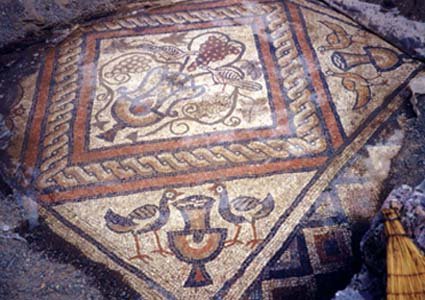
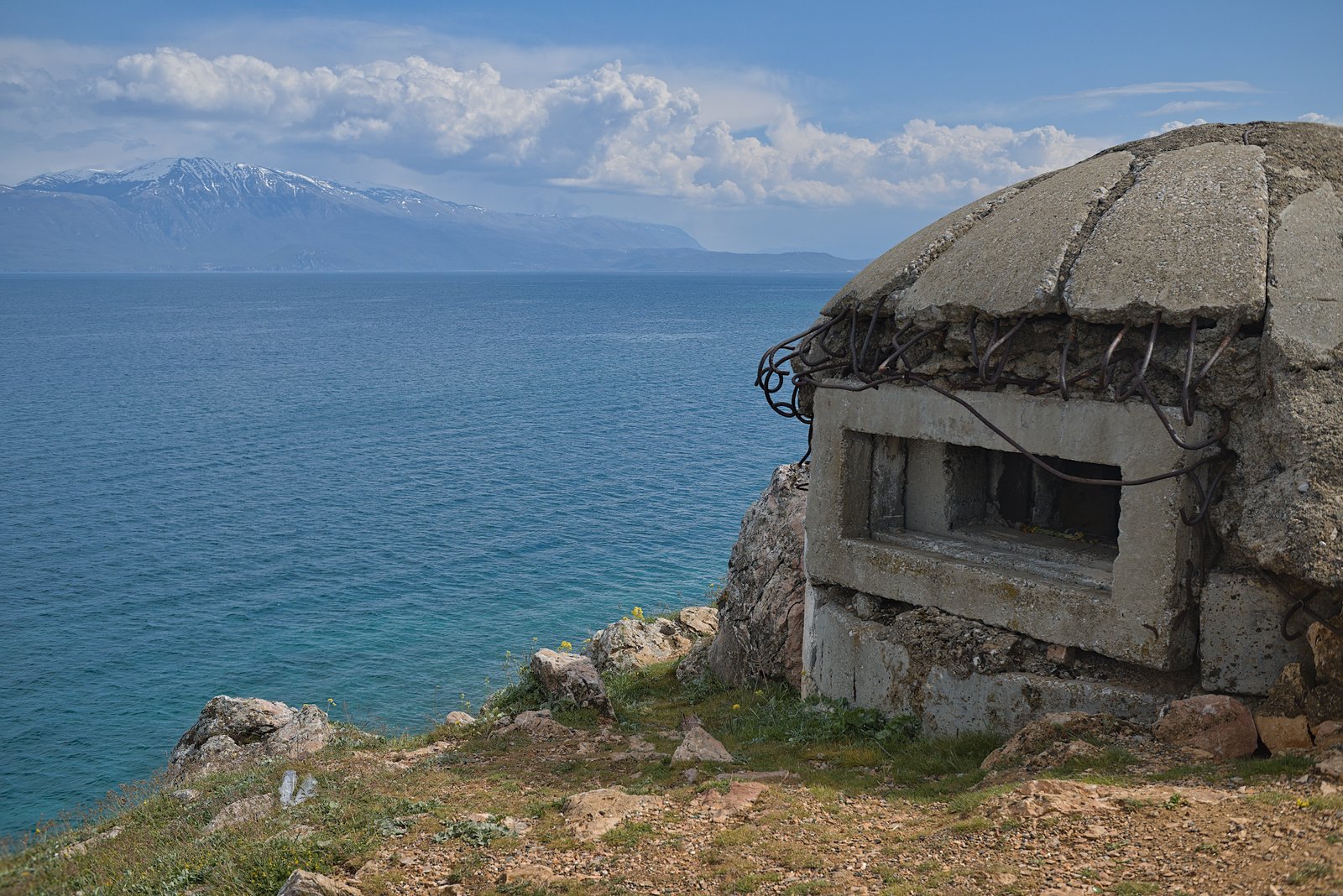
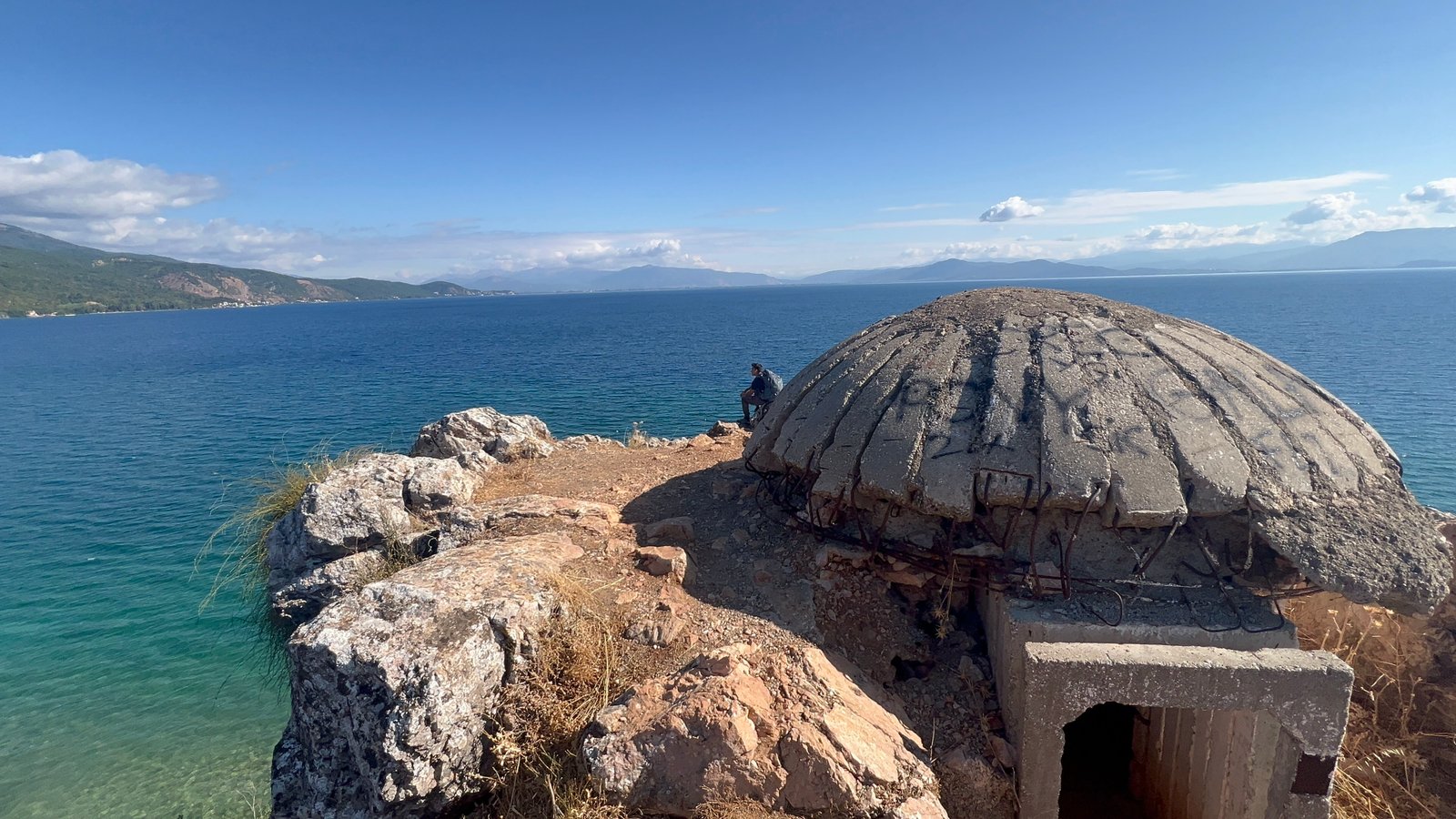
The picturesque peninsula village of Lin on Lake Ohrid's Albanian shore conceals a remarkable secret: the remains of a 5th-century Early Christian basilica with one of Albania's finest intact floor mosaics, featuring geometric patterns and animal motifs. The village itself, set on a rocky promontory with water on three sides, is one of Albania's most scenic spots. The peninsula also bears a more recent layer of history: concrete communist-era bunkers dot the shoreline, a surreal contrast to the ancient mosaics beneath them and a vivid reminder of Enver Hoxha's obsessive fortification of the Albanian coast.
Kalaja e Pogradecit · Illyrian & Byzantine Fortress
Cultural Monument Fortress
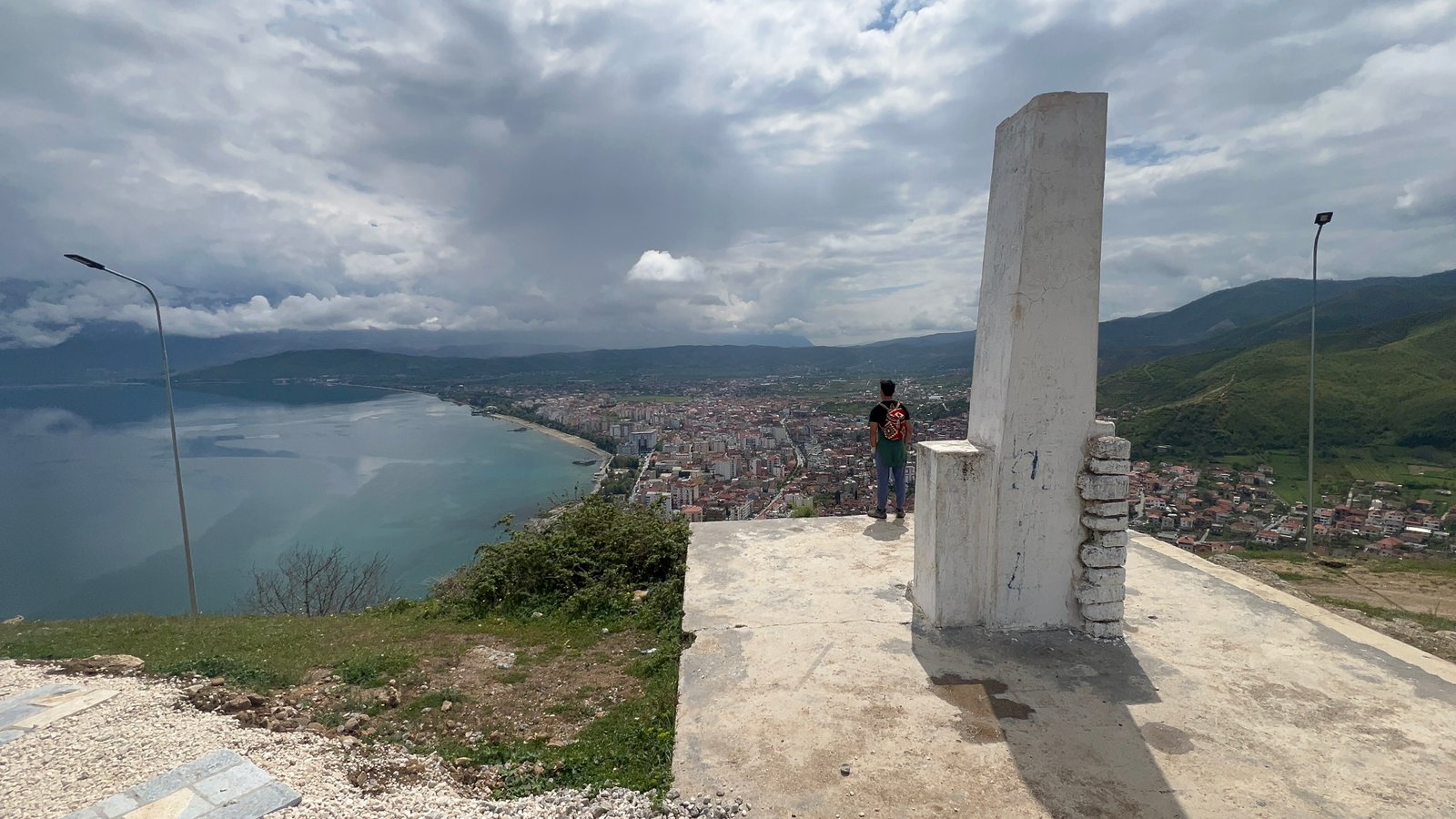
Perched 205 metres above Lake Ohrid, Pogradec Castle has one of the most dramatic hilltop positions of any fortress in Albania. The site was first settled by Illyrians in the 5th century BC and fortified by the 4th century BC. The Byzantine Emperor Justinian I ordered major renovations in the 6th century AD as part of his programme to strengthen the empire's Balkan defences. Over the following centuries the castle passed between Bulgarian, Byzantine, and Serbian control before the Ottoman period. It was designated a Cultural Monument of Albania in 1973. The panoramic views from the ramparts, across the glittering lake to the mountains of North Macedonia, are extraordinary and alone worth the climb.
Nekropola e Selcës së Poshtme · 4th–3rd century BC
Illyrian Royal Site Archaeological Site
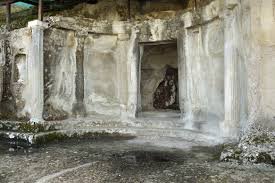
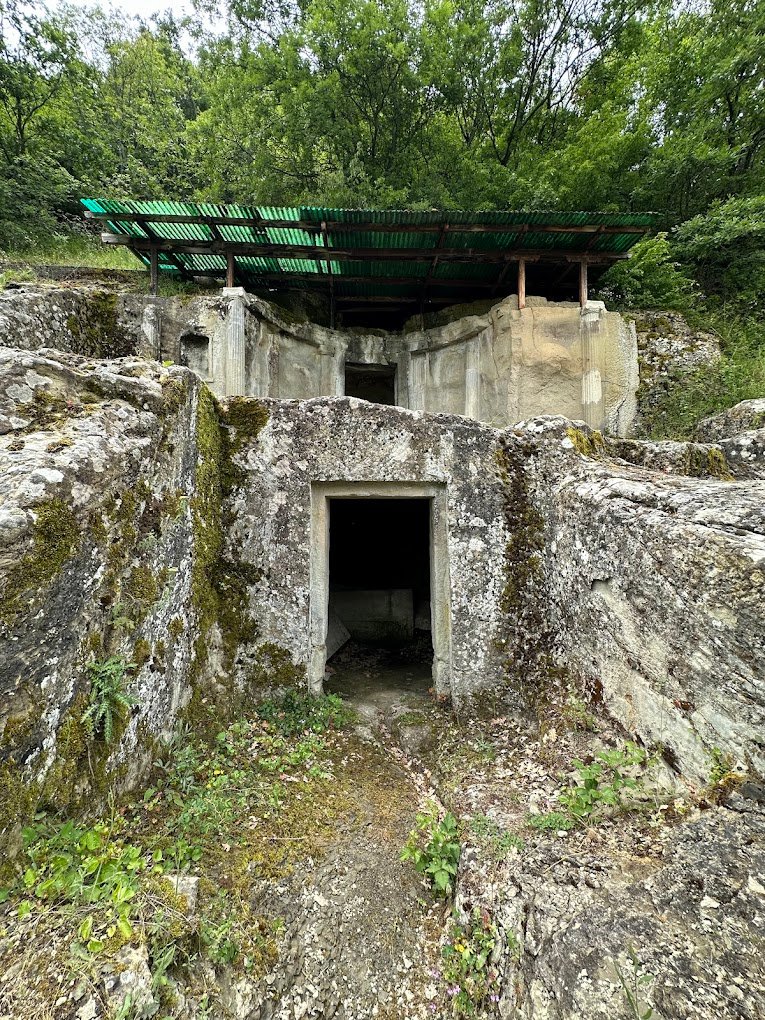
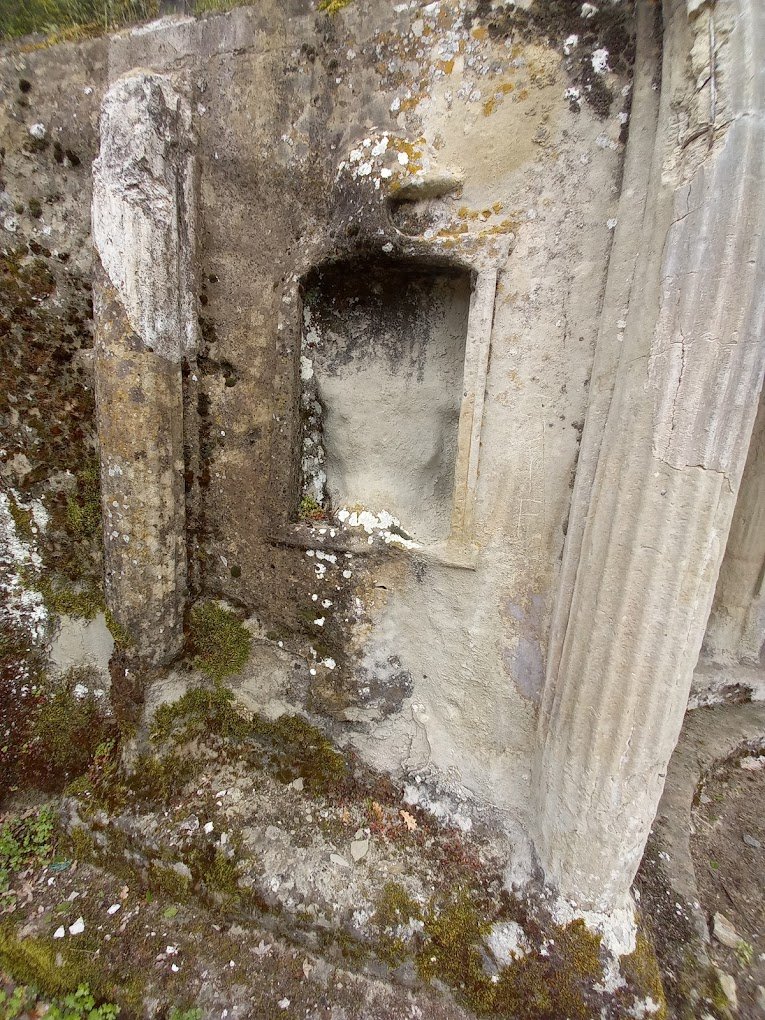
One of the most significant Illyrian archaeological sites in Albania, the Royal Tombs of Selca e Poshtme are a necropolis of monumental rock-cut chamber tombs dating from the 4th to 3rd centuries BC. Believed to be the burial place of the kings of the Enchelei tribe and later the Dessaretii, the tombs feature carved facades with Doric and Ionic columns cut directly into the limestone cliff: a rare fusion of Illyrian and Hellenistic architectural styles. The site gives a vivid sense of the sophistication and ambition of Illyrian royal culture at its height.
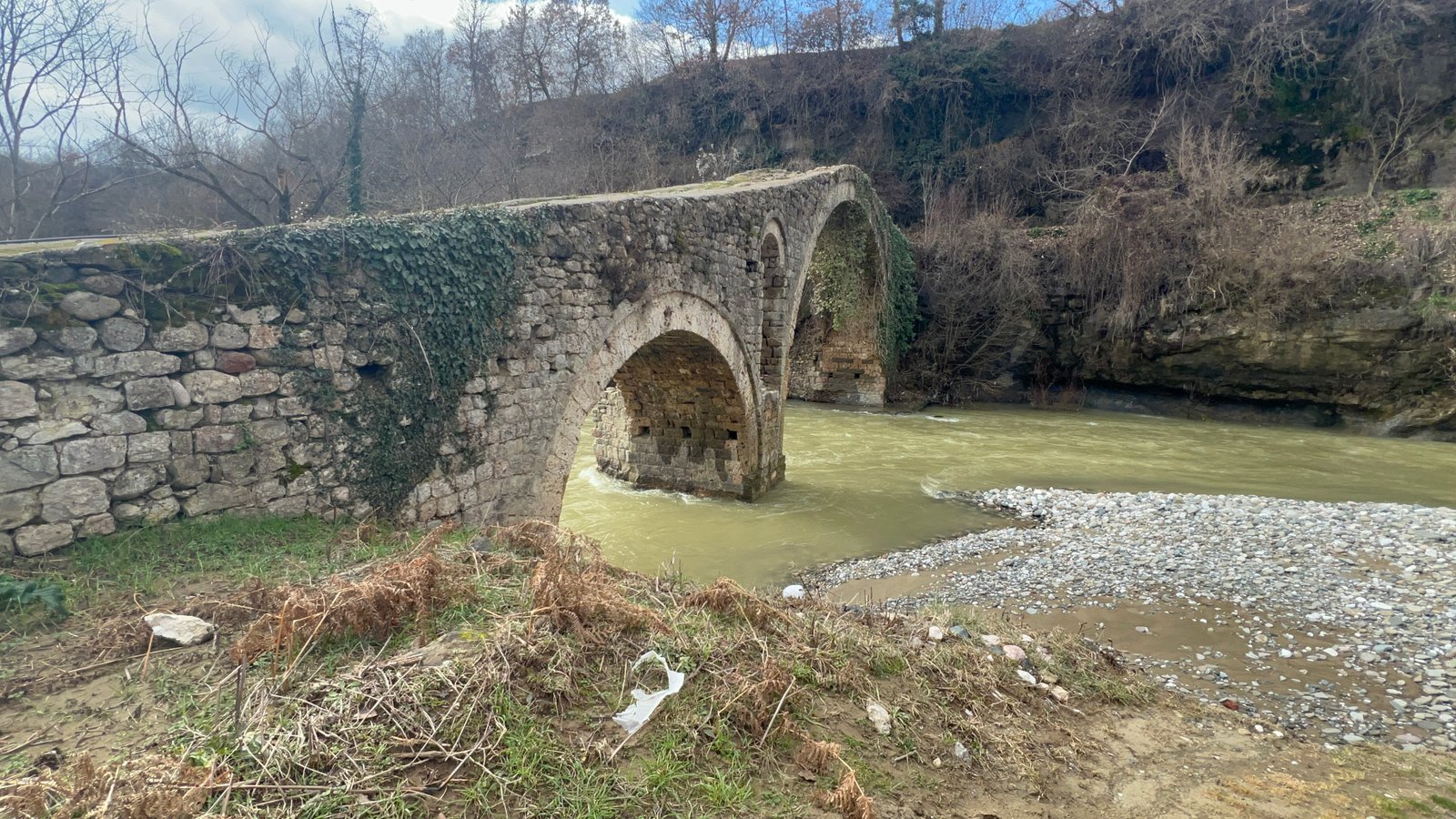
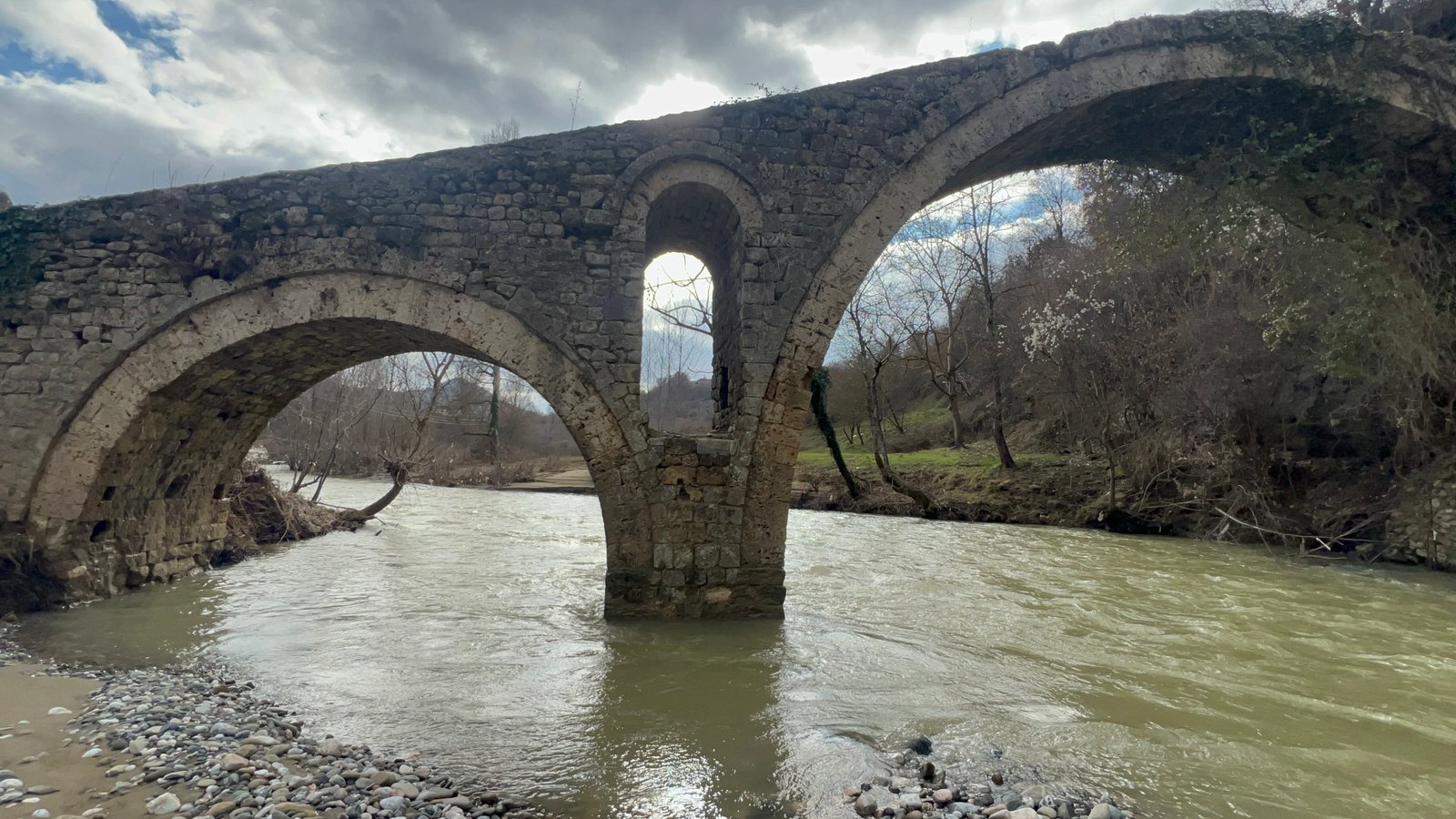
A beautifully preserved Ottoman stone arch bridge dating to the 17th century, the Golik Bridge carried travellers along the ancient Via Egnatia, the Roman road that once connected Constantinople to the Adriatic coast. Built with the elegant proportions typical of Ottoman bridge architecture, its single sweeping arch spans the river in a setting of green hillsides and clear mountain water. The bridge remains one of the finest examples of Ottoman civil engineering in eastern Albania and is still standing in remarkable condition.
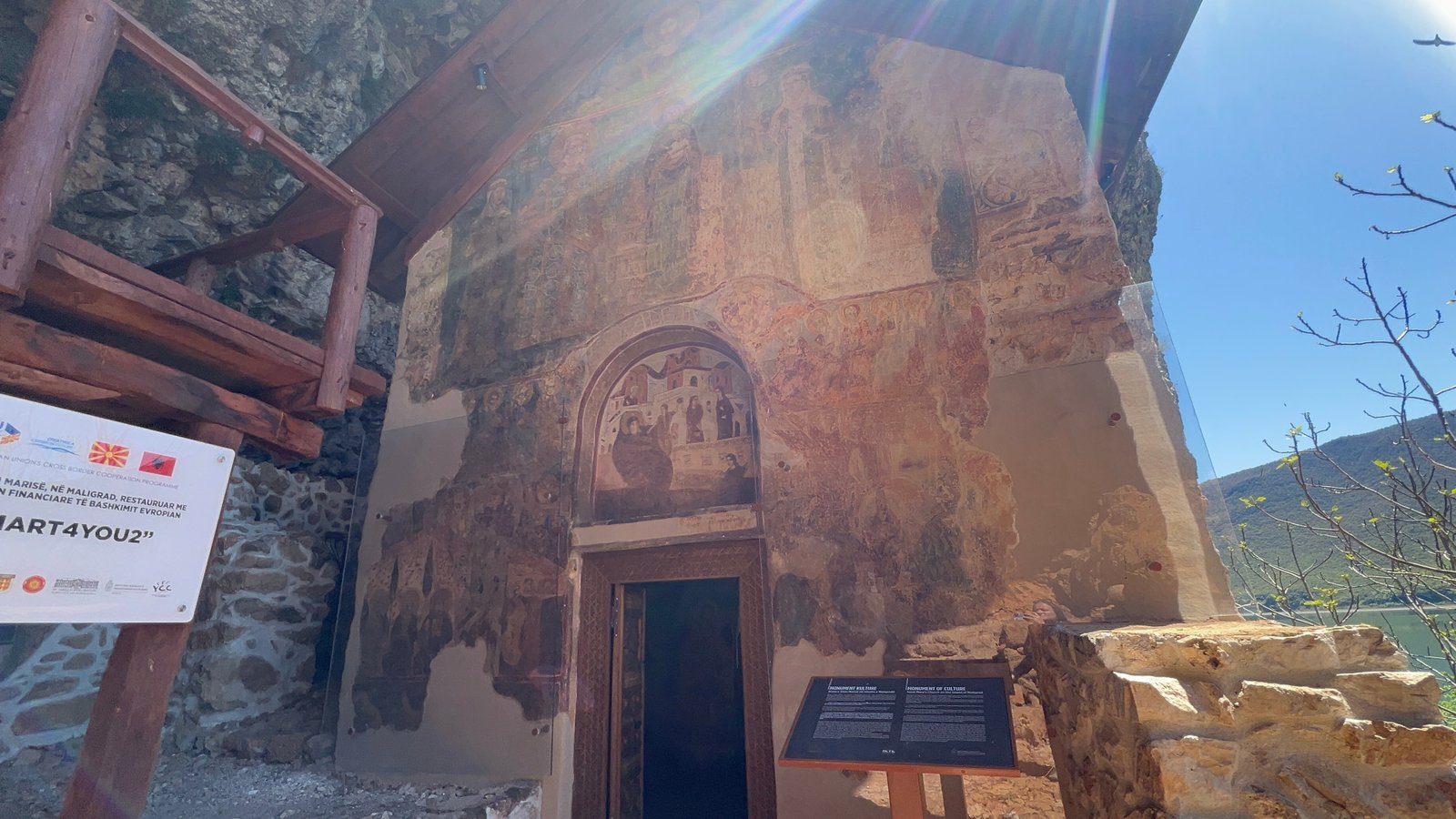
On the tiny island of Maligrad in Lake Prespa, just across the border from the Pogradec region, a 14th-century church has been carved directly into the face of a limestone cliff. Dedicated to the Virgin Mary, the cave church contains remarkably well-preserved Byzantine frescoes from the 1360s, created during the brief rule of the Albanian lord Andrea Muzaka. The only way to reach the island is by boat, which adds to the extraordinary atmosphere of this hidden sacred site. The frescoes are among the finest surviving examples of 14th-century Byzantine painting in Albania.
LOCATION
Island of Maligrad, Lake Prespa
PERIOD
14th century (Byzantine)
ACCESS
By boat from shore
ENTRANCE FEE
Free (boat fare applies)
AMENITIES
14th-c. frescoesIsland locationLake Prespa viewsBoat access only
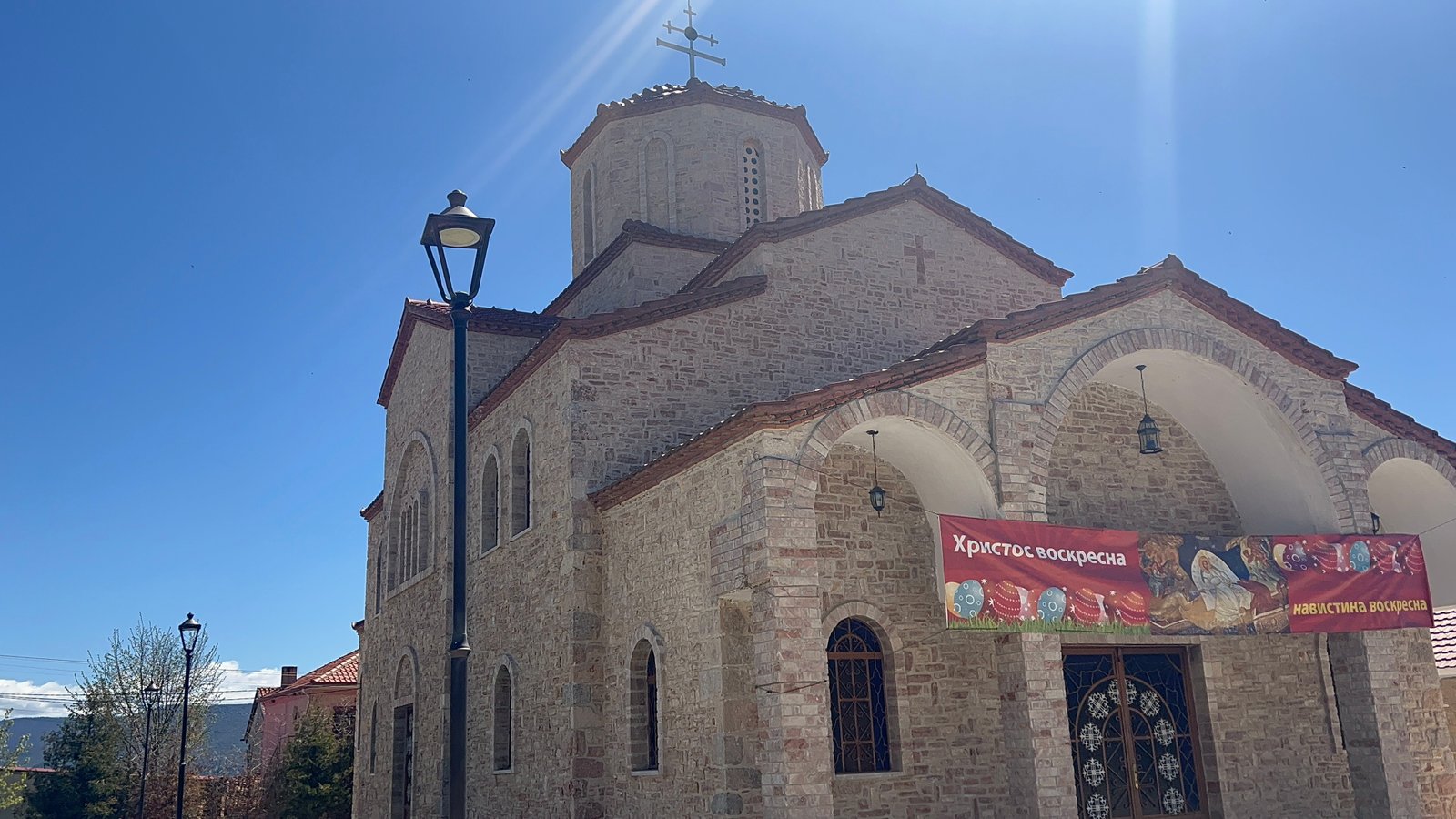
The Church of Saint Michael in Liqenas village is a well-preserved Orthodox church serving one of the traditional lakeside communities on the Albanian shore of Lake Ohrid. The village of Liqenas sits close to where Lake Ohrid and Lake Prespa nearly touch, and the church reflects the rich religious heritage of this unique crossroads between two ancient lake basins. The area was continuously inhabited from Illyrian times, and its churches carry centuries of community history within their walls.
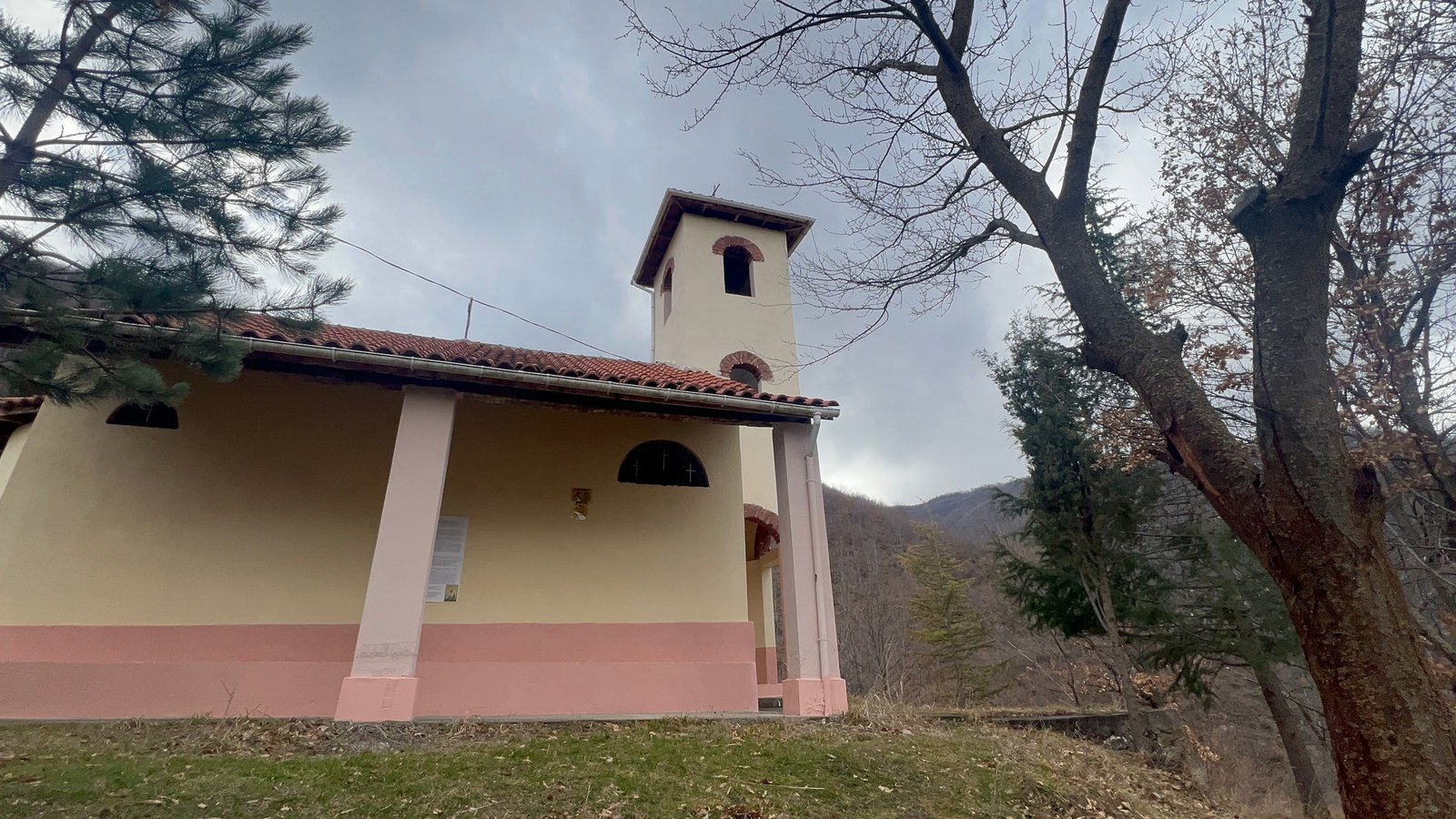
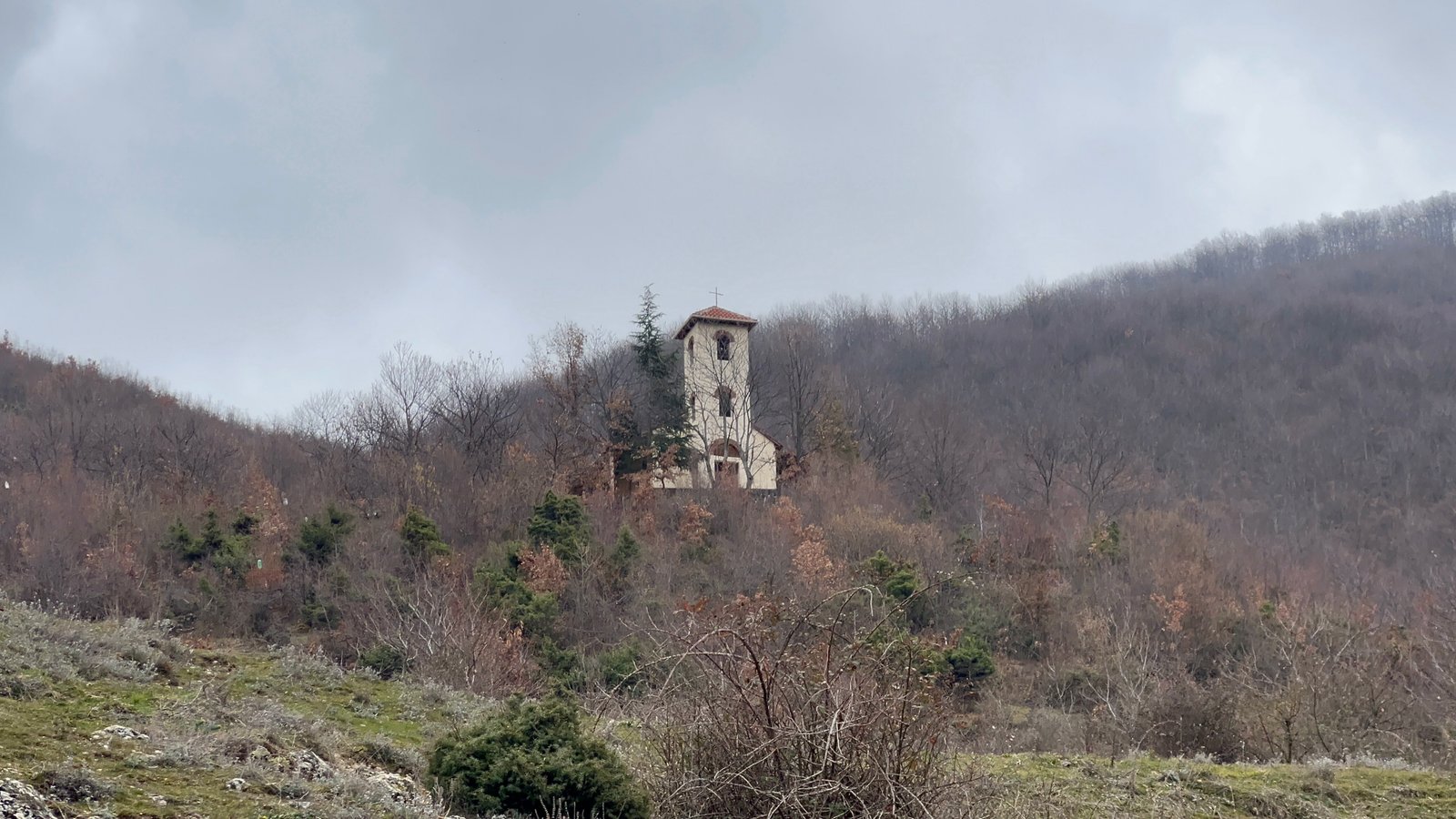
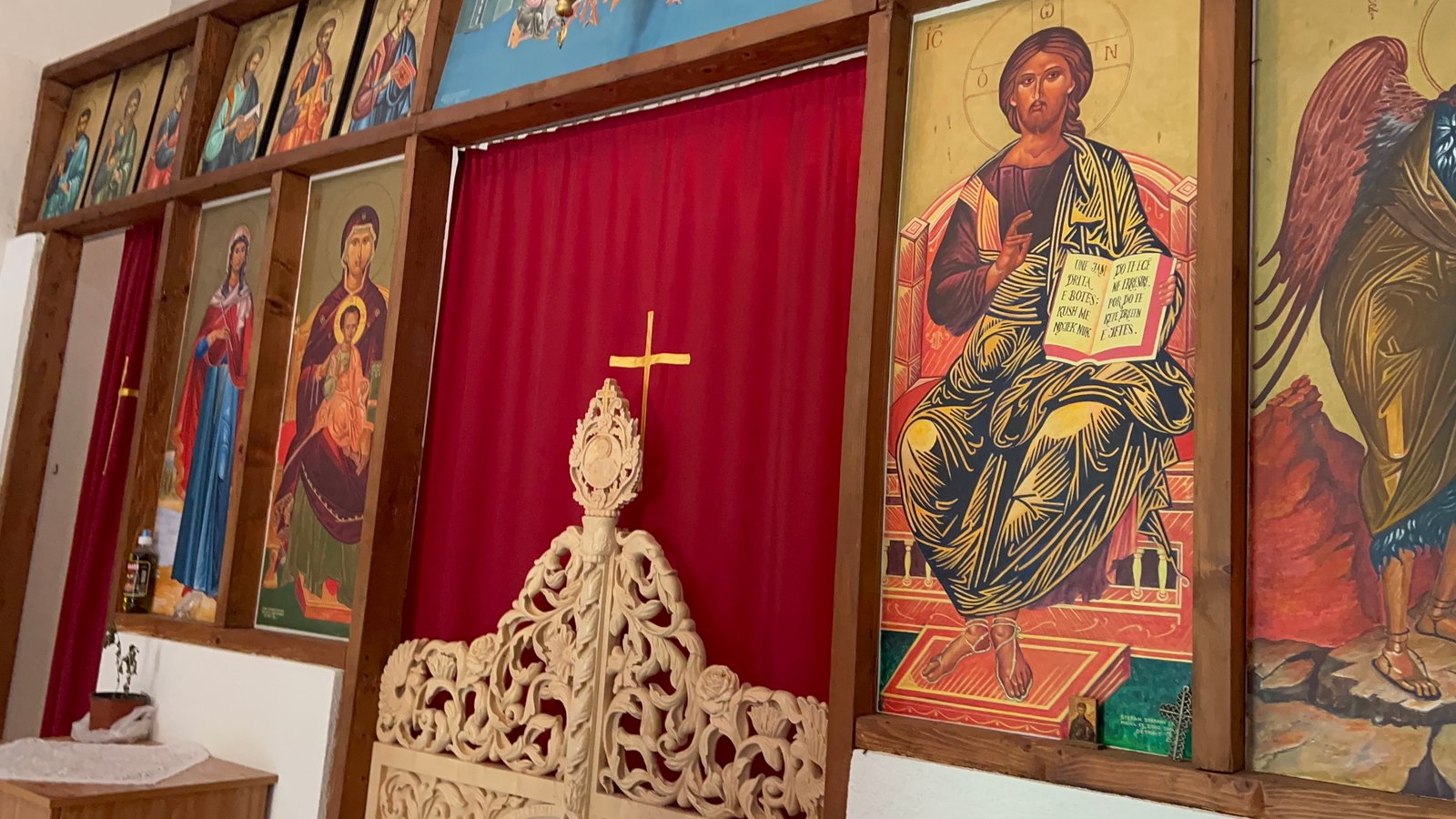
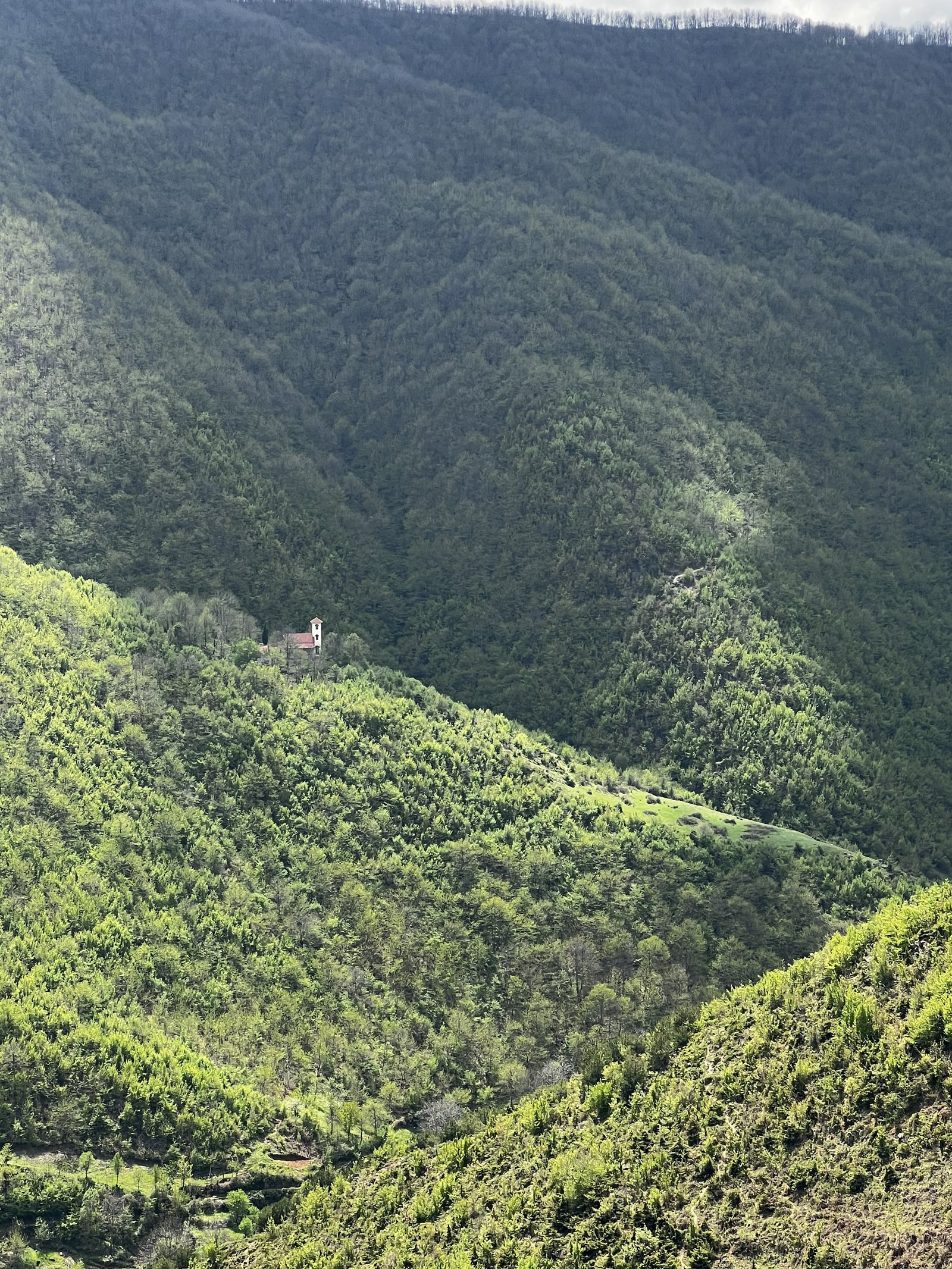
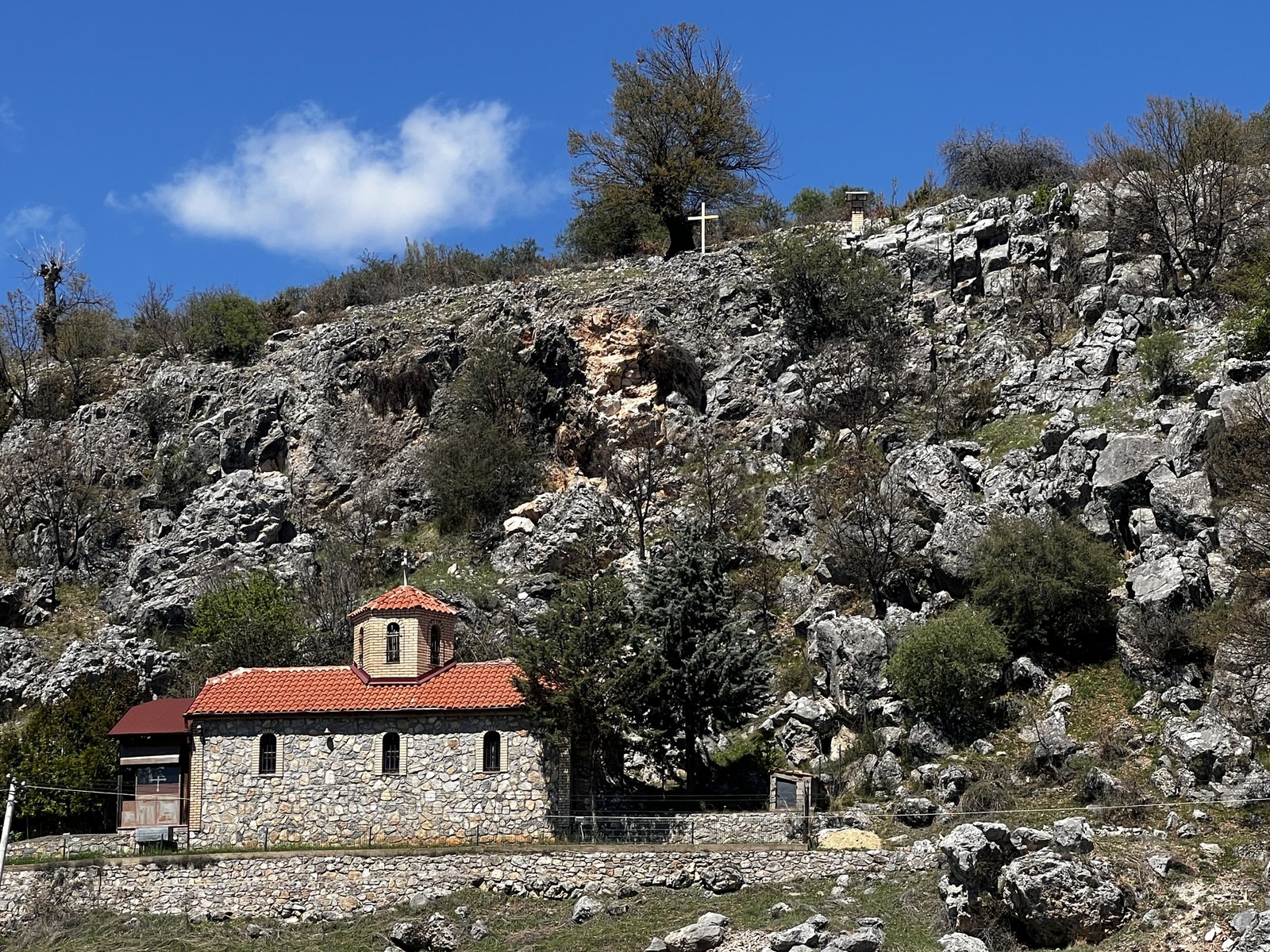
Kisha Shën e Diela, the Church of St. Sunday, is a historic Orthodox church in the Pogradec region, named for the early Christian martyr Kyriake (whose name means "of the Lord's day"). A solitary presence in the landscape, the church retains interior wall paintings that speak to the continuous devotional life of the communities around Lake Ohrid. From a distance it presents a classic silhouette of the Albanian rural church tradition; up close the painted interior reveals the spiritual world of the Orthodox faithful who have gathered here for generations.
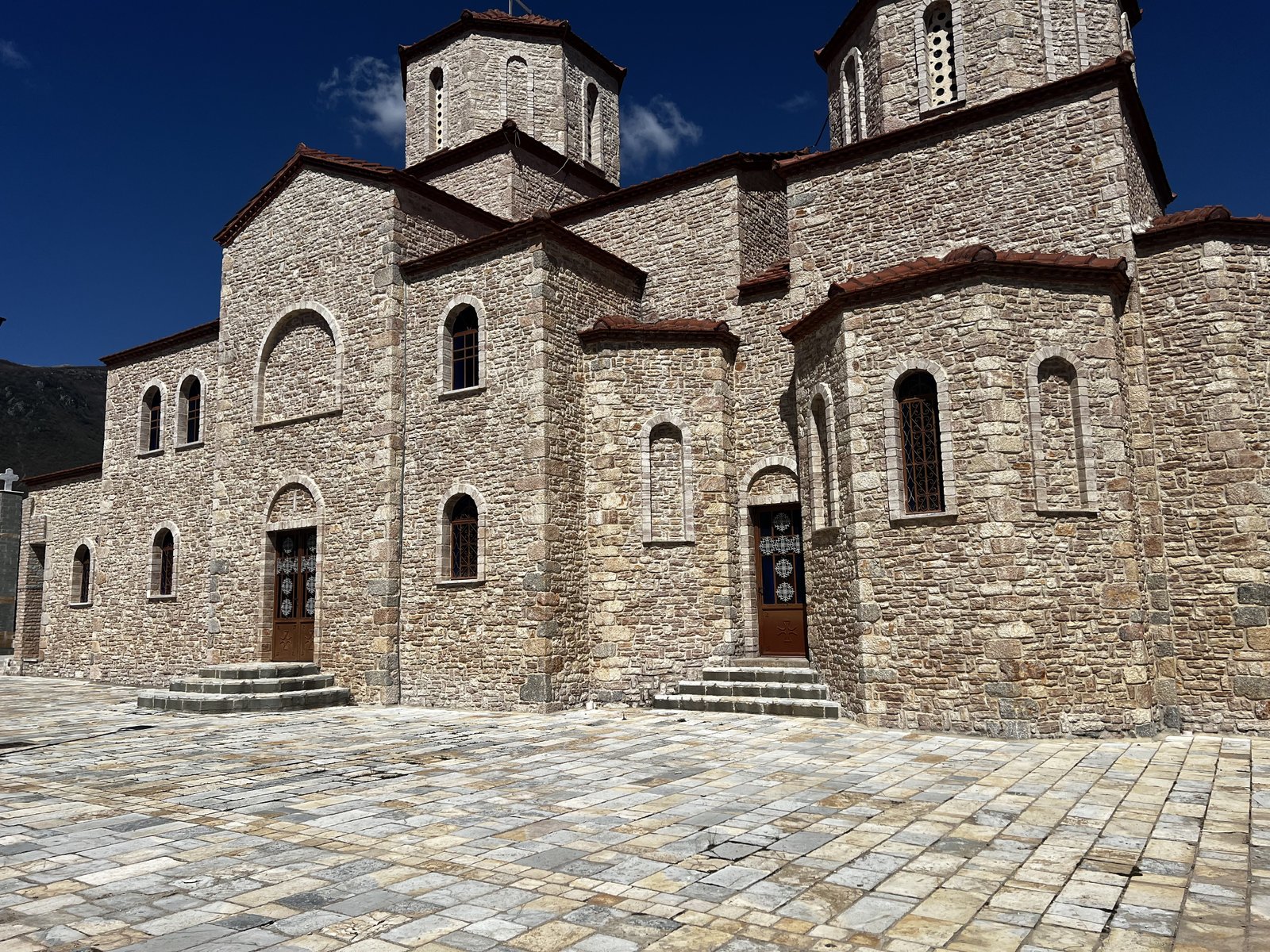
The Church of St. Thanas (Shën Thanas) is dedicated to St. Athanasius of Alexandria, the 4th-century bishop and theologian venerated throughout the Orthodox world. Churches bearing this dedication are found across the Albanian highlands and lakeland: a testament to the enduring reach of early Eastern Christianity in this region. This example in the Pogradec area forms part of the remarkable concentration of historic Orthodox churches that make the Lake Ohrid shore one of the most spiritually layered landscapes in the Balkans.
Muzeu Historik i Pogradecit · Pogradec Historical Museum
MuseumLake Ohrid Heritage
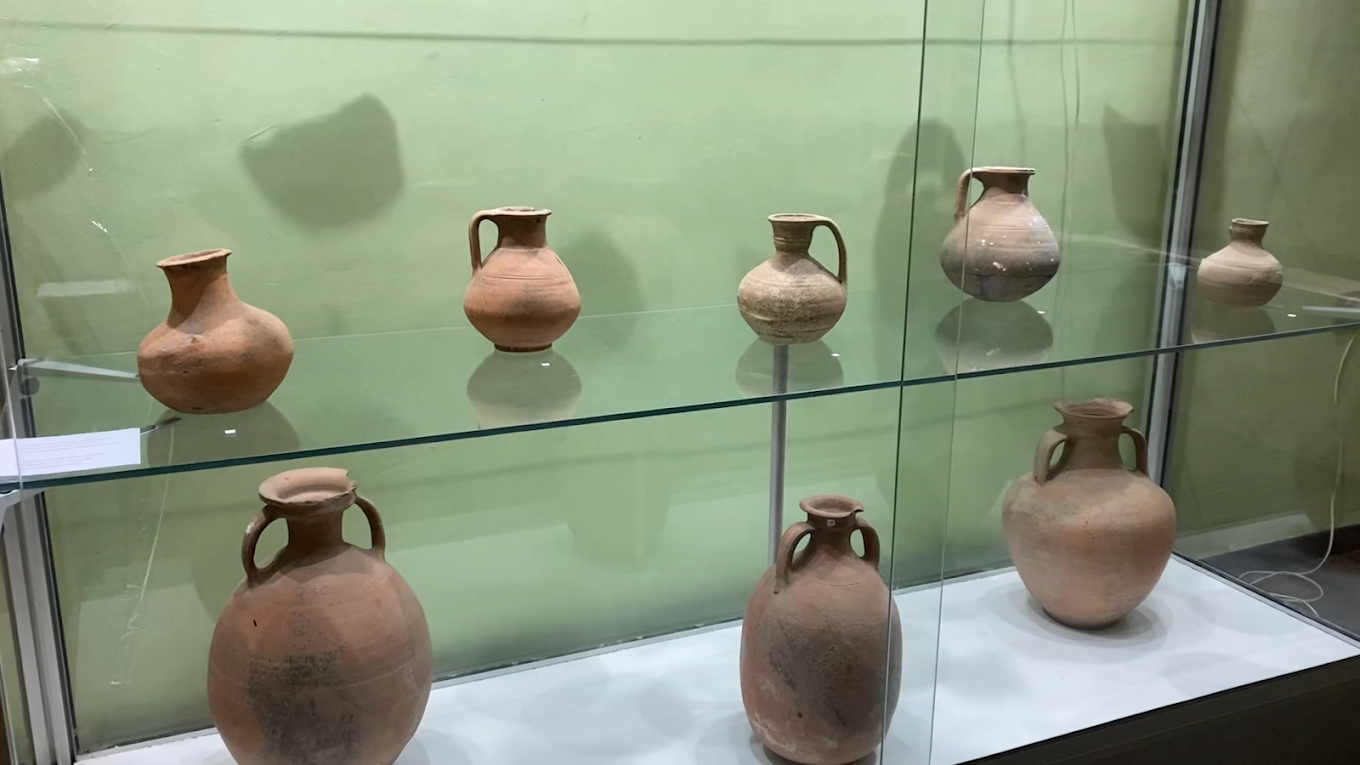
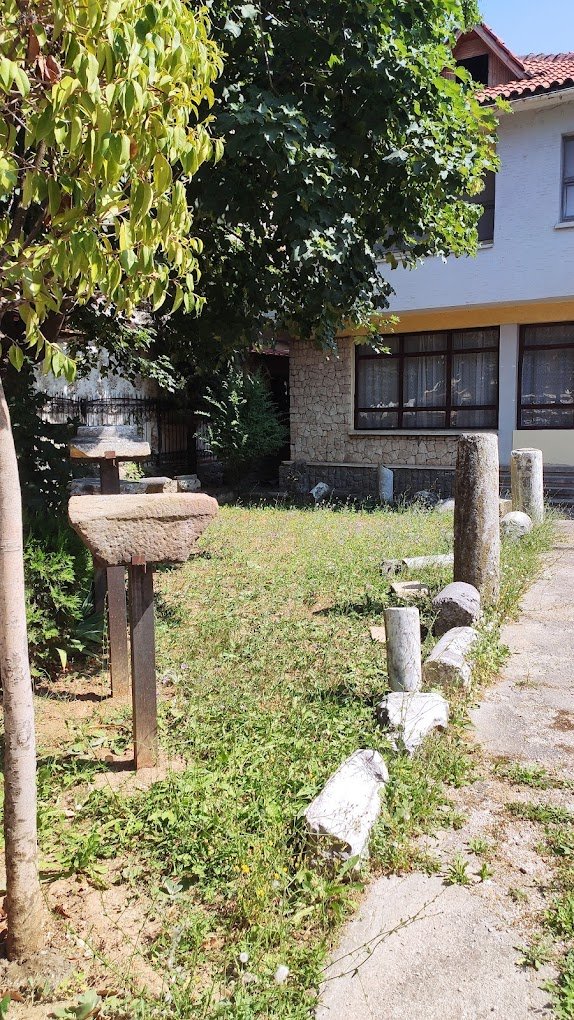
The Museum of Pogradec, frequently referred to as the Pogradec Historical Museum, is the city's primary cultural institution. Located in the centre of Pogradec, just about 150 metres from the shores of Lake Ohrid, the museum showcases thousands of years of regional history, archaeology, and local traditions. Its collections span Illyrian bronzes, Early Christian artefacts, Byzantine coins and pottery, Ottoman-era objects, and ethnographic displays reflecting the distinctive culture of the Lake Ohrid shore communities. An excellent starting point for understanding the depth of history that underlies this quietly extraordinary region before heading out to explore the outdoor sites.